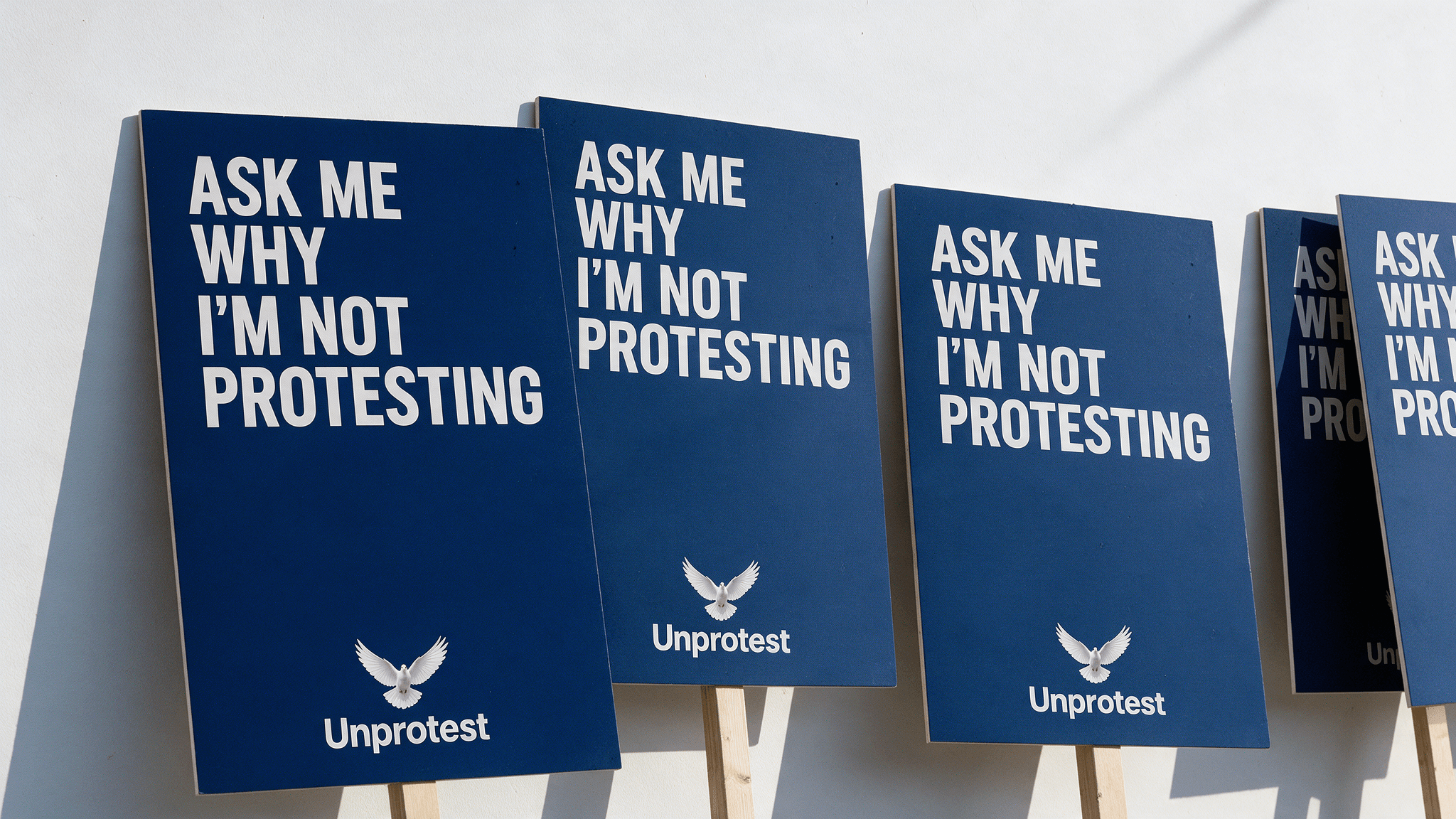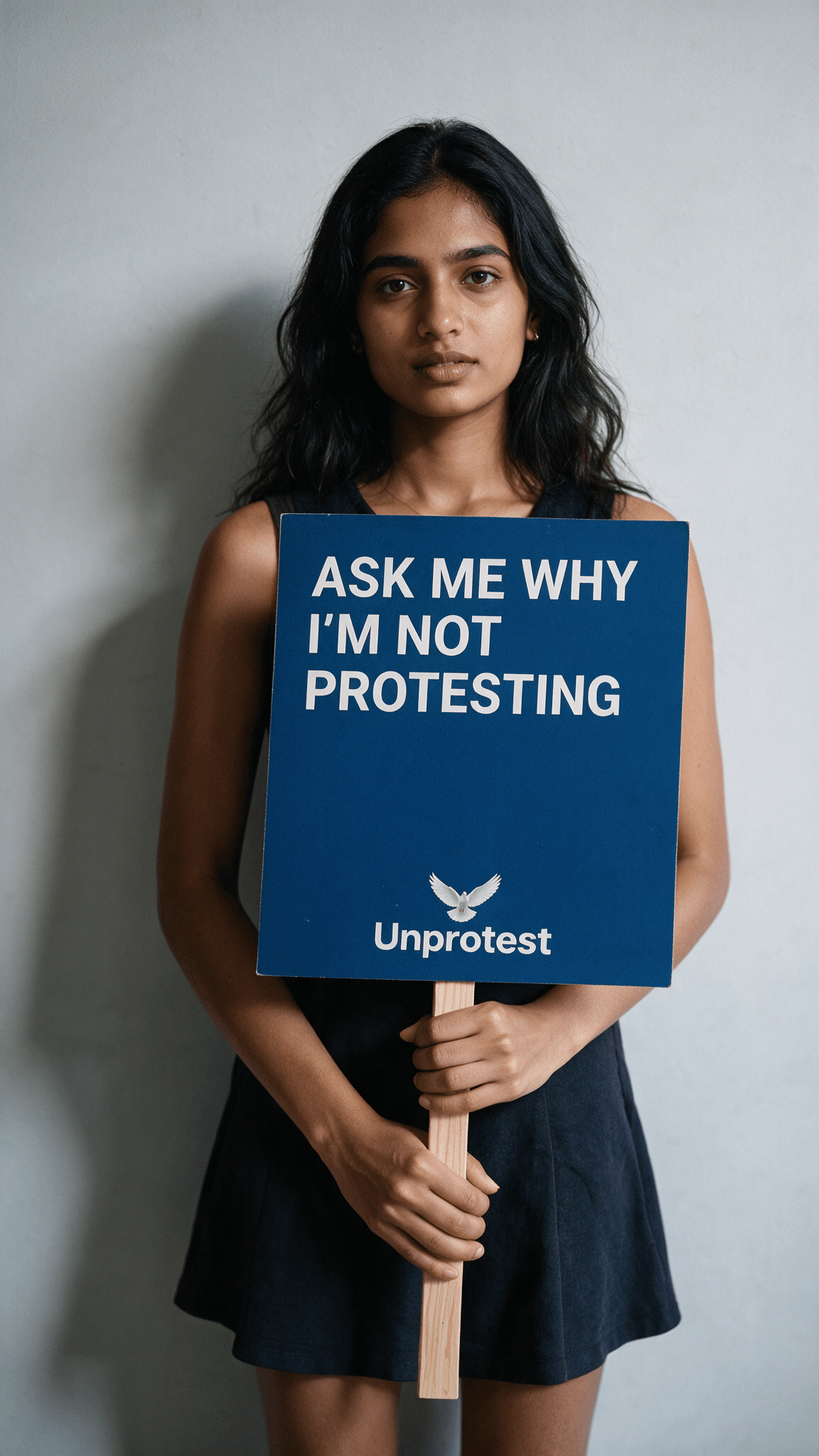
One label. Different agendas.
Stop treating “protestors” as one identity. Understand who is present, what brought them there and whose interests the campaign serves.
“Protestors” tells us that people are protesting. It does not tell us who organised them, which grievance brought them there, who controls the platform or what outcome the leadership wants.
A real grievance can be pushed aside when a party, ideological organisation or personality turns the crowd into a vehicle for its own ambitions. That possibility deserves scrutiny. People seeking a remedy should not have their cause swallowed by a campaign they did not choose.
Start with public demands, named organisers, declared affiliations, disclosed funding and recorded conduct. Ask participants what they are asking for. Separate the answer from the slogan.
The affected citizens
What harm do they describe, what evidence supports it and what remedy would address it? Let their own answers remain visible.
The organisers
Who sets the demands, controls the platform, raises money and makes decisions? Whose authority do they claim to represent?
The political parties
Identify publicly declared party involvement. Ask whether the party’s electoral interests match the remedy sought by the people affected.
The ideological groups
Record an organisation’s stated political or religious programme and documented affiliations. Explain what it advocates instead of guessing private beliefs.
The media and amplifiers
Who gets the microphone? Check whether reporting separates a participant’s grievance, a leader’s claim and the outlet’s own interpretation.
The conduct of each actor
Distinguish peaceful participation, intimidation, property damage and violence. Establish who did what; responsibility does not spread automatically across a crowd.
Who owns the demand—and the endgame?
The ECI/SIR record includes a demand for Chief Election Commissioner Gyanesh Kumar to resign. Participants deserve to understand the specific allegations, the supporting records, the Commission’s response and the lawful remedy being sought. A resignation slogan should be the beginning of that explanation.
Calls to replace an elected government deserve the same clarity. Is the proposed route an election, a lawful resignation campaign or unlawful coercion? Those are materially different objectives. A public call for political change establishes that stated ambition; a claim of a coordinated unlawful operation needs its own proof.
Where a leader’s objective is a political comeback rather than resolution of the grievance, make that difference visible through their words, decisions and campaign record. Ask who benefits, who bears the public cost and what would actually bring the campaign to an end.
A political label is not an argument.
If a campaign calls Narendra Modi a “dictator”, it should identify the conduct, law or decision behind the charge and explain its evidence. Repeating a label online does not make the argument. The same standard applies to accusations of election theft, hidden funding or organised subversion.
Left-wing, communist, socialist, religious and opposition organisations should answer for their own documented statements, affiliations and actions. None of those labels, by itself, establishes extremism, violence or deception. Patriotism is no defence for burning public property; disagreement is no proof of disloyalty.
Protect the genuine grievance. Name the organisers. Follow the evidence. Hold each actor responsible for what they actually say and do.